
Preparing for a kambo medicine ceremony requires thoughtful intention, physical readiness, and mental clarity. Kambo is known for its powerful cleansing effects, and the preparation process plays a significant role in shaping the overall experience. Whether you are joining a ceremony for physical detoxification, emotional release, or spiritual alignment, following proper guidelines ensures that you enter the space safely and respectfully. This guide walks you through each essential step, helping you feel grounded and well-prepared.
1. Understand What Kambo Is and How It Works
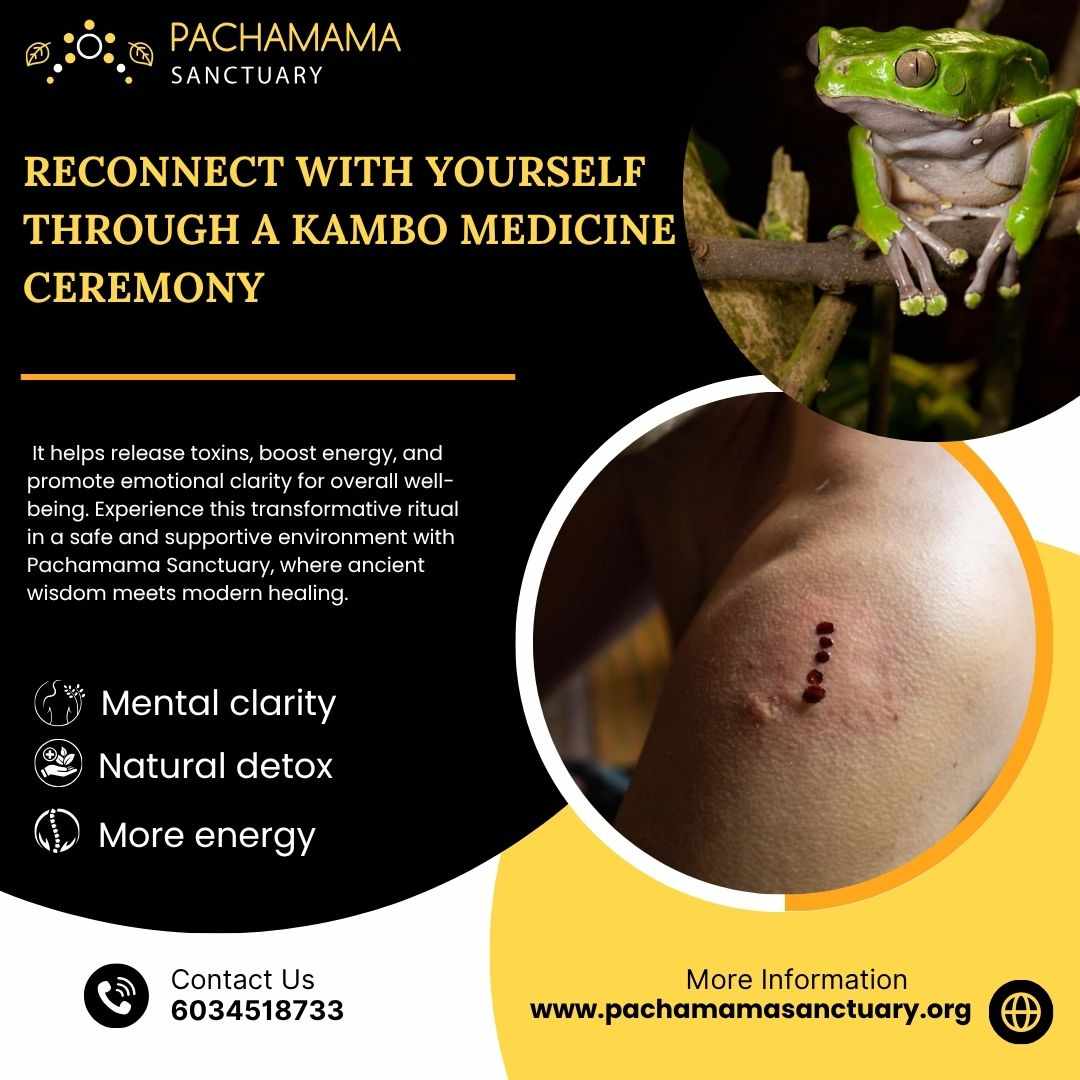
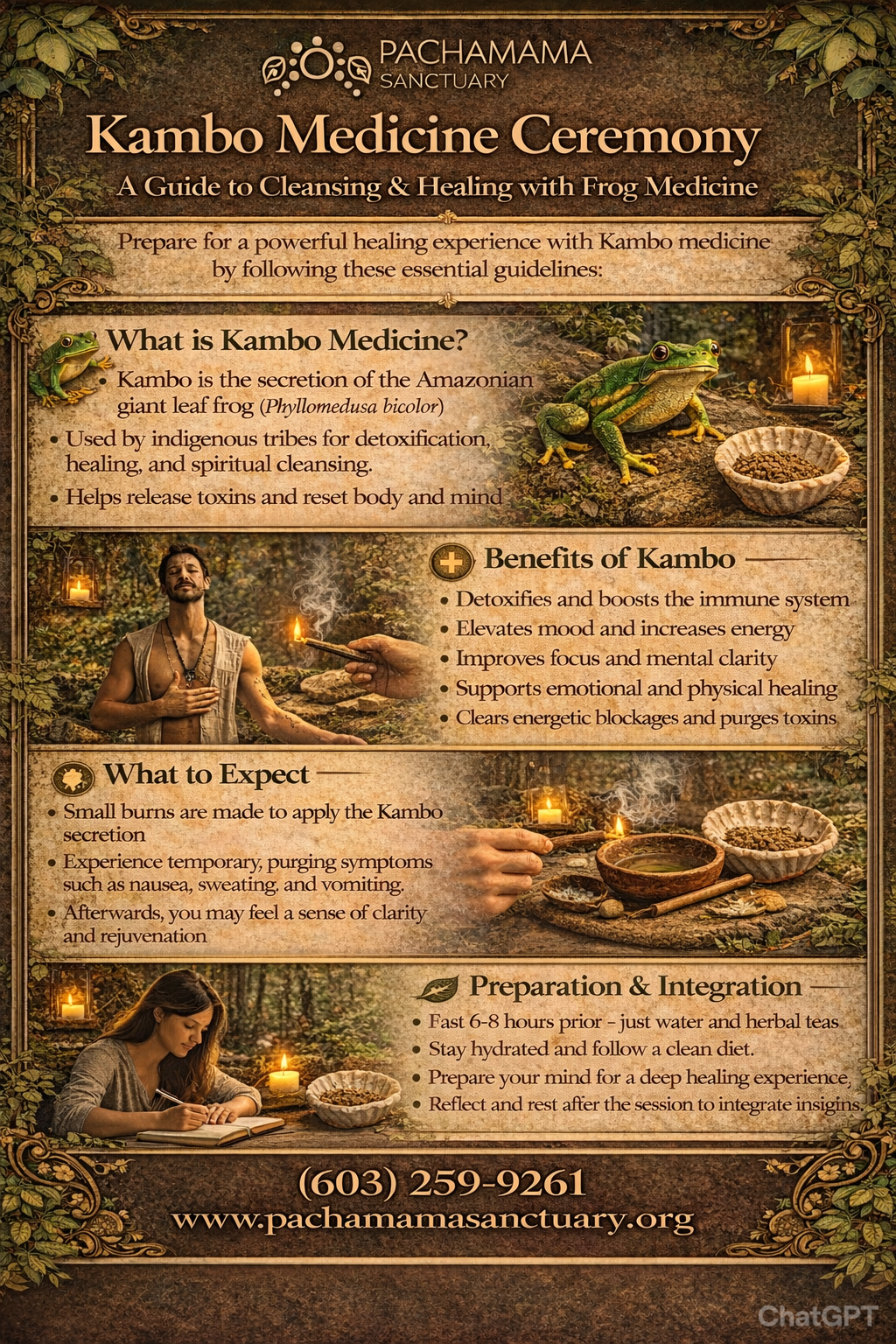
Before beginning the preparation process, take the time to understand the origins and purpose of Kambo. Derived from the secretion of the Phyllomedusa bicolor frog, kambo has been used by Amazonian tribes for centuries. Traditionally, it was applied to increase stamina, clear panema (negative energy), and strengthen the body and mind.
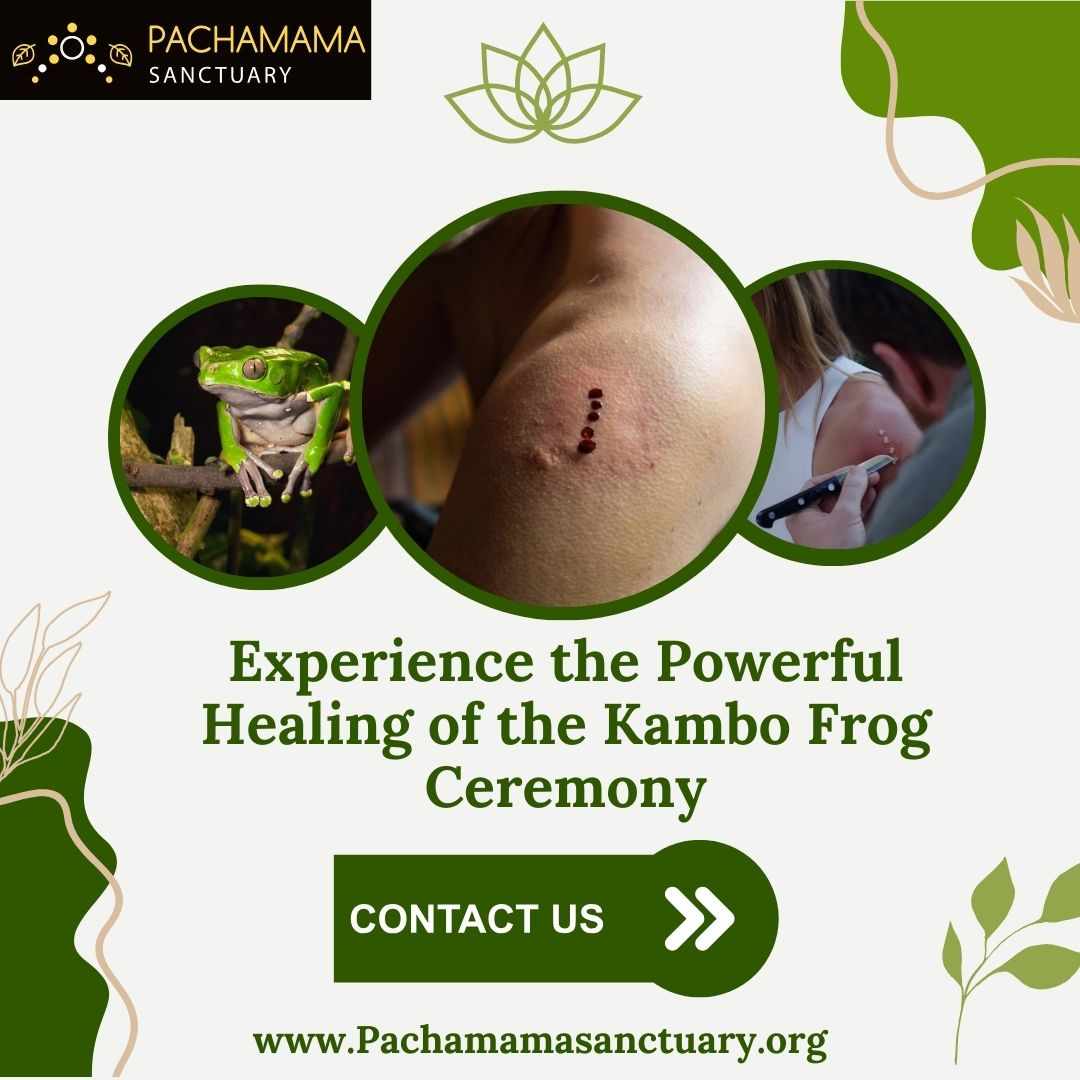
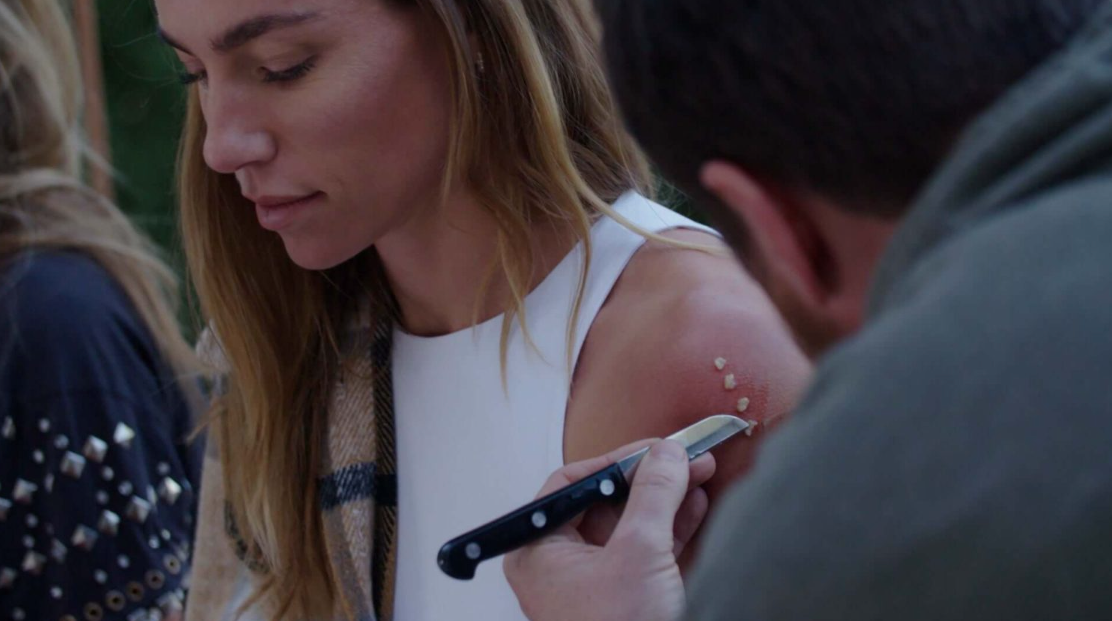
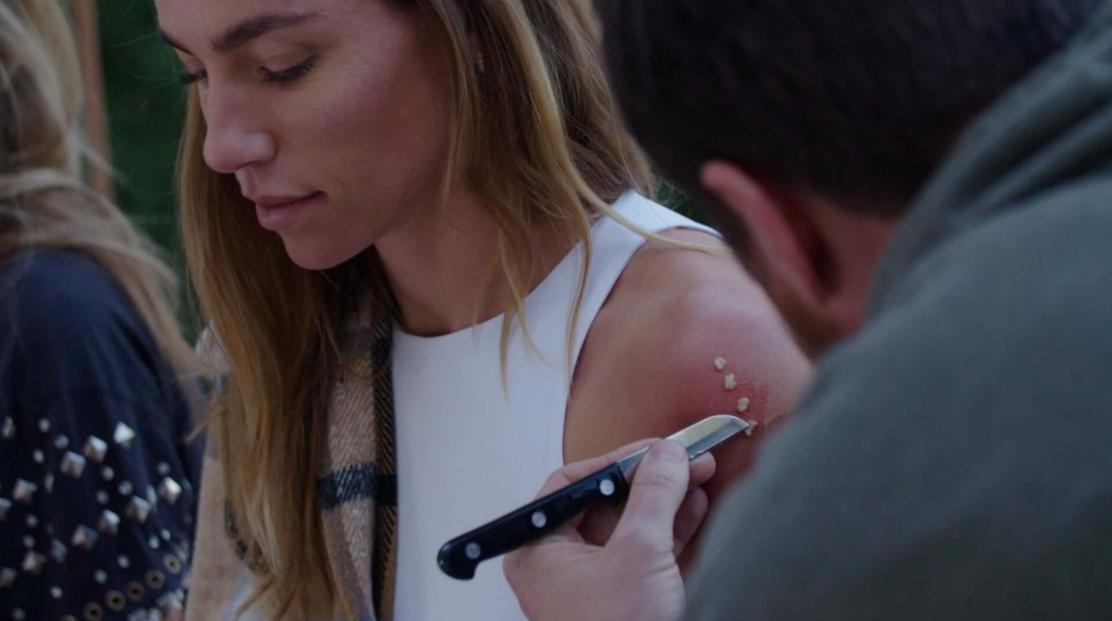
A kambo medicine ceremony typically involves the practitioner making small burns on the skin and applying the secretion to these points. The experience is intense but short, usually lasting 20–40 minutes. Knowing what to expect helps reduce anxiety and builds trust in the process.
2. Prepare Your Body Through a Clean Diet
Physical preparation is one of the most important aspects. Your body should be as clean and balanced as possible before receiving Kambo.
Diet recommendations:
Eat light, whole foods at least 2–3 days before your ceremony.
Avoid heavy meals, processed foods, and excessive salt.
Reduce or eliminate caffeine, alcohol, tobacco, and sugar.
Hydrate consistently the day before your session (not immediately before).
A clean diet supports smoother detoxification and helps the body respond more comfortably to the effects of Kambo.
3. Avoid Certain Substances Before the Ceremony
The kambo experience is safe when performed correctly, but certain substances can interfere with the body’s reaction. You should avoid:
Alcohol (48 hours before)
Recreational drugs (at least 1–2 weeks before)
Prescription medications that may interact with detoxification (consult your practitioner)
Supplements or herbal extracts that affect the heart, blood pressure, or hydration
If you are on medication, always inform your practitioner prior to the ceremony.
4. Hydration Guidelines: Very Important
Proper hydration is essential for safety during a kambo medicine ceremony, but timing matters.
Correct approach:
Stay hydrated throughout the day before.
Drink normal amounts of water the morning of your ceremony.
Avoid drinking large amounts right before the session unless instructed—overhydration can be dangerous.
The practitioner will guide you through exactly how much water to drink during the session.
5. Mental and Emotional Preparation
Kambo is not only physical; it also works through emotional release and energetic cleansing. Preparing your mind and emotions beforehand can deepen your experience.
Helpful practices:
Journaling your intentions
Practicing meditation or breathwork
Reflecting on areas of life where you seek clarity
Setting realistic expectations
Kambo is not meant to “fix” everything instantly. Instead, it acts as a catalyst, supporting the body and mind in resetting and realigning.
6. Learn About the Purge
One of the most well-known aspects of Kambo is the purging process. This can include vomiting, sweating, crying, shaking, or emotional release. It is not a sign of something going wrong but rather the body’s natural way of expelling toxins and stagnant energy.
Knowing this in advance makes the experience less intimidating and helps you surrender to the process. The purge is temporary, purposeful, and deeply cleansing.
7. What to Bring to the Ceremony
To feel comfortable and safe, prepare a small ceremony kit.
Recommended items:
A comfortable outfit
A blanket or shawl
Water bottle
Electrolytes for after the session
Hair tie if needed
Journal for reflection
Your practitioner may add to this list based on their ceremony structure.
8. Understand the role of Practitioner
A trained and experienced practitioner is essential for a safe treatment. They assess your health, guide the session, monitor your physical response, and support you emotionally.
A responsible practitioner will:
Review your medical history
Explain each step before it happens
Ensure proper hydration
Offer grounding support
Maintain a safe, calm, and clean environment
Always choose a practitioner with strong experience and trustworthy references.
9. Aftercare: Support Your Body’s Integration
Post-ceremony care is just as important as preparation.
Aftercare suggestions:
Rest for the remainder of the day
Eat light, nourishing foods
Drink electrolytes to support hydration
Avoid alcohol and heavy foods for 24–48 hours
Allow emotions to surface and integrate gently
Some people feel energized immediately, while others feel tired—both are normal responses.
10. Take Time for Reflection
Kambo can bring clarity, emotional release, and insights. Taking time afterward to reflect helps you understand what your body and mind processed.
Ways to reflect:
Journaling your thoughts
Meditation or silence
Gentle stretching or grounding practices
Conversations with trusted friends or your practitioner
Reflection strengthens the long-term benefits of your ceremony.
Final thoughts
At Pachamama Sanctuary preparing well ensures a safe, meaningful, and empowering experience during your medicine ceremony. By caring for your body, clarifying your intentions, and understanding what to expect, you enter the session with confidence and respect for the medicine.


Write a comment ...